

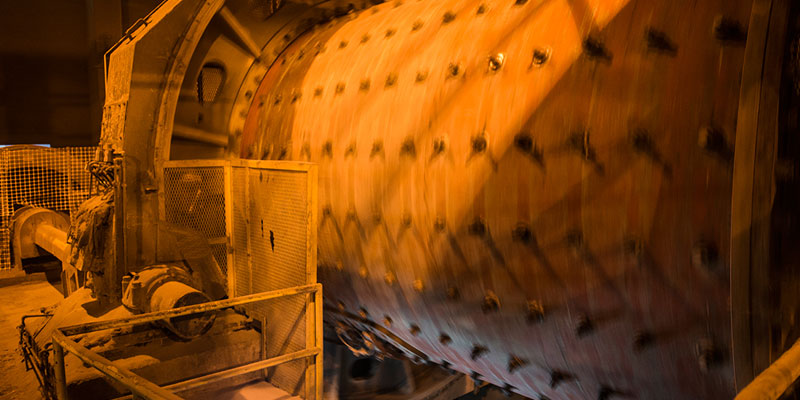
Kiln 2 ID Fan (3 star)
Problem: We detected high levels of high-frequency wideband vibration and harmonics at multiples near the outer race defect frequency on the inboard fan bearing. The vibration level was 411% above average and the highest we’ve seen to date. We recommended replacing the inboard fan bearing.
Solution: A new inboard fan bearing was put in service. We detected a significant improvement in high levels of high-frequency wideband vibration along with harmonics on the outer race defect frequency on the inboard fan bearing. Vibration levels decreased to below the long-term average.
In cement manufacturing, induced-draft fans are essential for maintaining airflow through the kiln, enabling efficient clinker production. At this facility, the kiln fan supports a production rate valued at approximately $20,000 per hour. Unplanned fan failures can halt operations for up to a full day. These fans are prone to vibration-related breakdowns due to dust buildup and bearing wear, making predictive maintenance critical. Thanks to ITR’s advanced monitoring solution, this major fan issue was detected early—before failure occurred. This proactive intervention prevented costly downtime and delivered an estimated 16x ROI if that’s the only catch they found in a year.
Primary Crusher (2 star)
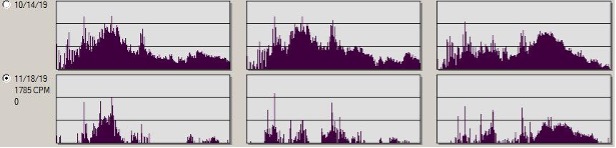
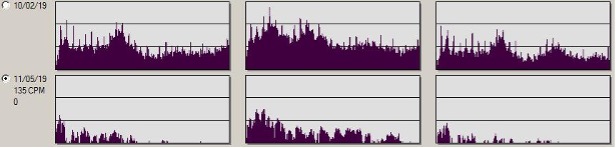
Problem: We detected an increase in wideband vibration and harmonics on the outboard mill bearing. Velocity levels are 133%-192% above average. We recommended scheduling the outboard mill bearing for an inspection.
Solution: We were informed the outboard mill bearing was replaced. As a result, we detected a significant improvement in wideband vibration and bearing defect vibration on both mill bearings (see comparison below). Overall (RMS) vibration levels on the outboard mill bearing were 89%-91% lower than the last measurements.
In cement production, the primary crusher plays a vital role in breaking down raw materials like limestone and clay before they enter the kiln. At this facility, the crusher supports a production rate valued at approximately $25,000 per hour. Unexpected failures—such as jaw plate wear, bearing breakdowns, or lubrication issues—can halt operations for 10 to 24 hours. These failures are common, with wear-related issues accounting for over 60% of breakdowns. Thanks to ITR’s predictive maintenance solution, this critical crusher issue was identified early and resolved before failure occurred. This proactive intervention prevented extended downtime and delivered at least a 13x ROI if that’s the only issue they find all year.