

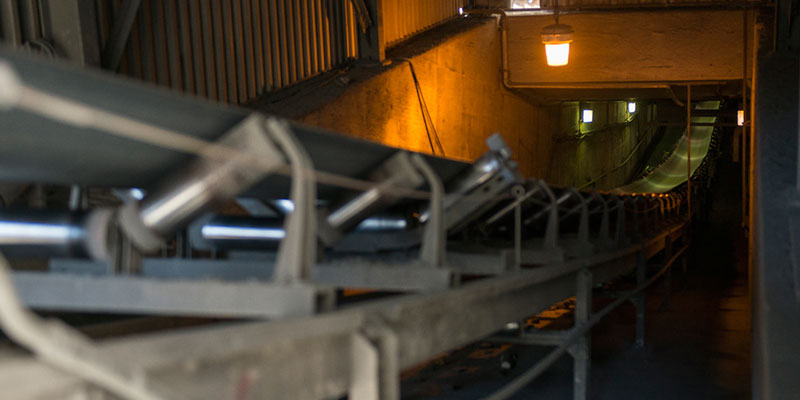
“We repaired the pinion shaft and replaced the bearings on the high speed side of the 101 gearbox. We also installed a new primary drive motor on the intermediate belt. You really saved the day on the 101 belt. Thanks to you we avoided a major catastrophe.”
Belt 101 (2 star)
Problem: We detected an increase in high-frequency wideband vibration on the gearbox input bearing. The vibration level was 330% above average and much higher than we detected on other gearbox measurement locations. We recommended scheduling the gearbox input bearing for an inspection/replacement.
Solution: We were informed the input pinion was repaired and the input bearings were replaced. As a result, we detected a significant improvement in high-frequency wideband vibration on the gearbox input bearing. Overall (RMS) vibration levels are 73%-80% lower than the last measurements.
Intermediate Belt (3 star)
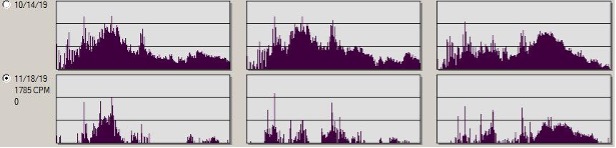
Problem: We detected dominant motor speed vibration and harmonics on all measurement locations. The vibration level for the inboard motor bearing was excessive and patterns continued to indicate looseness/misalignment. We recommended checking the base of this unit for looseness and the coupling for wear and proper alignment ASAP.
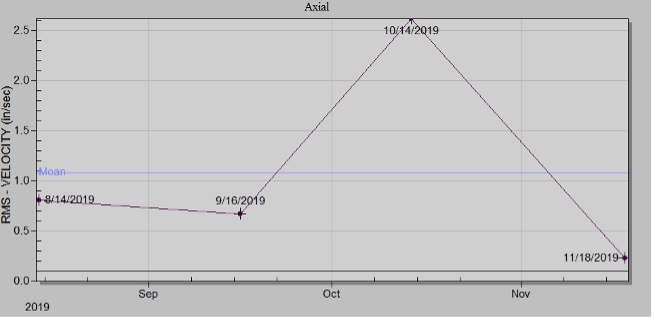
Solution: We were informed the motor was replaced. As a result, we detected a major decrease in shaft speed vibration and harmonics on the motor and gearbox. Overall (RMS) vibration levels on the motor were 70%-91% lower than the measurements the last measurements (see trend below).
In coal mining operations, belts are critical for transporting raw material from the mine to processing facilities. At this particular site, the conveyor system moves an average of 1,260 metric tons of coal per hour, equating to approximately $56,000 every hour. Unexpected belt failures can halt production for several hours, or even days, leading to substantial financial losses. Thanks to ITR’s predictive maintenance solution, these belt issues were identified and addressed before failure occurred. This proactive catch prevented extended downtime and resulted in an estimated 37x ROI for that year if that’s the only catch they found.